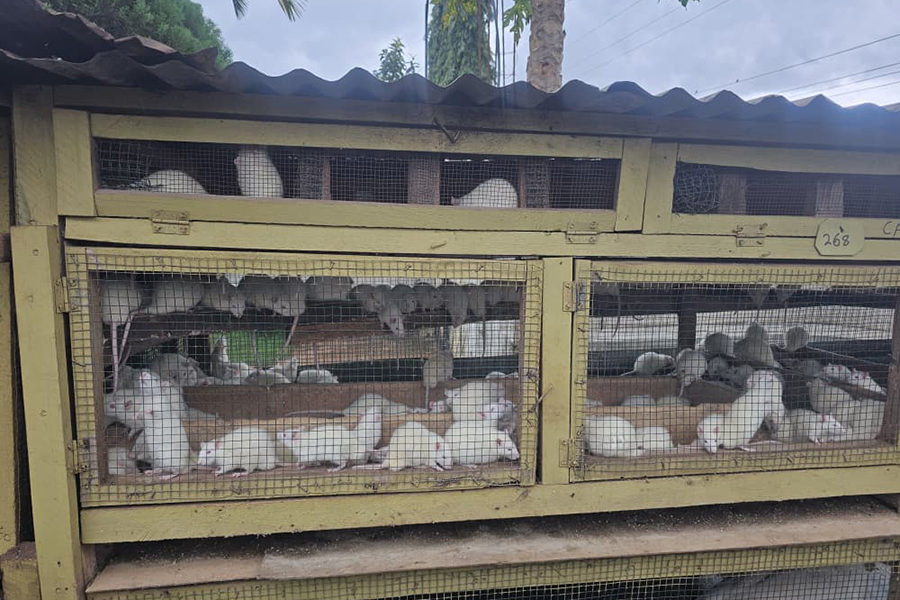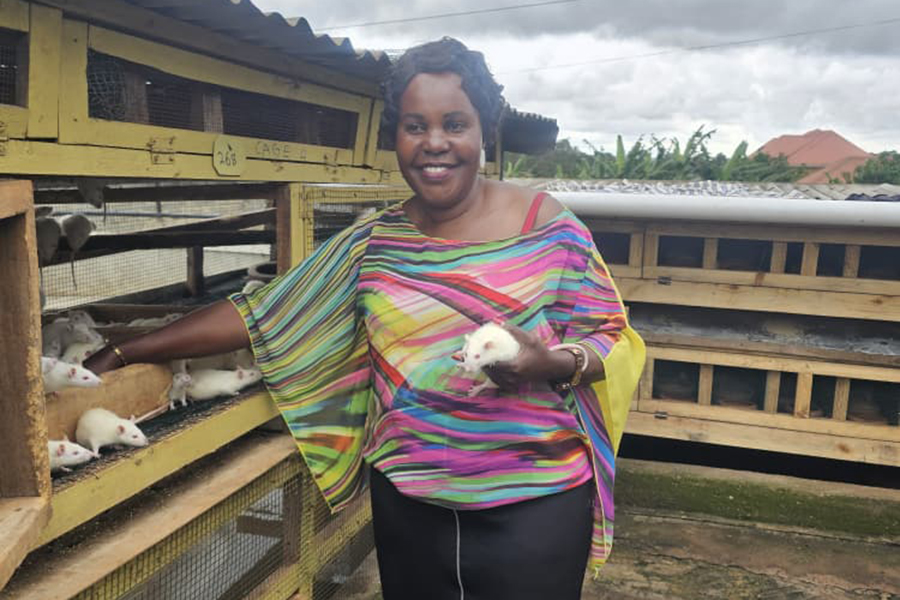
While most people shudder at the sight of rats, Judith Namulindwa has turned the unlikely animal into a profitable family enterprise. The resident of Katale Sseguku in Entebbe Municipality has spent the past eight years rearing rats—a venture that many initially found strange, but which has now transformed her life and that of her family.
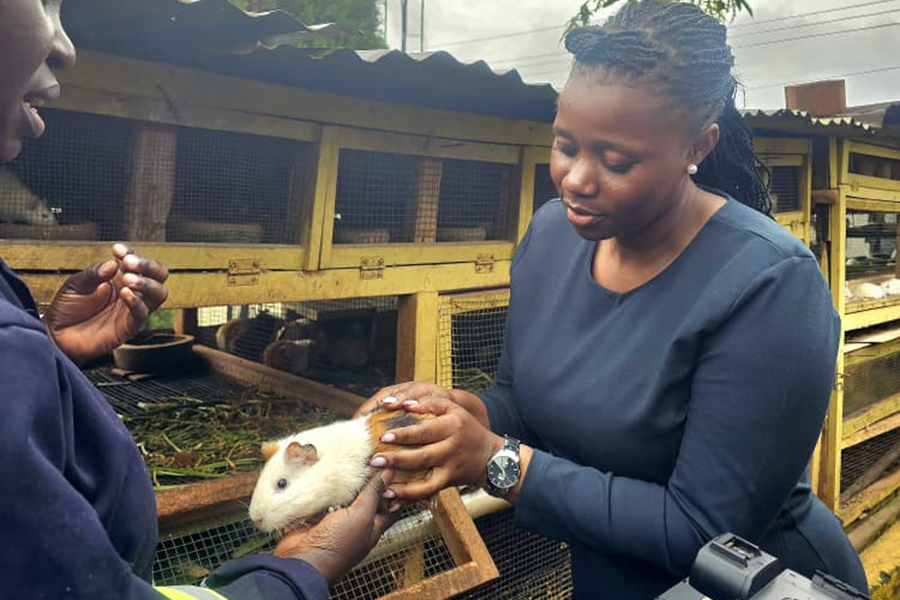
But they are not the menacing rodents that terrorise households, they are guinea pigs and albino rats.
Popularly known as “Mama Rats,” Namulindwa abandoned other jobs to focus entirely on her business. She started with just six rats, each purchased for Shs25,000, inspired by a friend who supplied her with rat feed.
Today, she keeps more than 3,000 animals.
Unlike wild rats that damage property, Namulindwa rears two specific species: albino rats and guinea pigs. The albino rats are mainly sold to secondary schools for laboratory experiments, while guinea pigs are popular among pet owners.
Prices range from Shs5,000 to Shs100,000 depending on type and size. The animals feed primarily on grains and grass.
“Many people fear rats, but for me they have become a blessing because they changed my life and now sustain my family,” Namulindwa said.
The farmer explained that rats reproduce quickly and mature in a short period, allowing her to meet fluctuating demand, particularly from schools during peak laboratory experiment seasons.
Despite the success, Namulindwa faces challenges, including disease outbreaks among her animals and criticism from people who do not understand the venture.
She credits proper care, commitment, and innovation for sustaining the business and ensuring it remains profitable.
Her story underscores how unconventional ideas, when combined with dedication, can create viable livelihoods—even from creatures most people would rather avoid.